
A Stage for Everyone
The opera repertoire of Solo Semble spans three centuries of European musical history—from the timeless grandeur of Handel and Mozart, through the dramatic passion of Bizet and Lehár, to the resonant sounds of modernity.
Yet, we go beyond the familiar canon. We bring works of the high style back to the European stage that have remained in the shadows for too long: the vocal polyphony of Berezovsky and Bortniansky, the romantic power of Lysenko, and the neoclassical modernity of Skoryk. These are composers who studied at the same academies in the 18th and 19th centuries as their world-famous contemporaries—and whose music has just as much to say.
In our exclusive arrangements for chamber ensemble, they become what they have always been: equal contributors to the European musical tradition. Every program is a unique creation—and a discovery.
Our Program
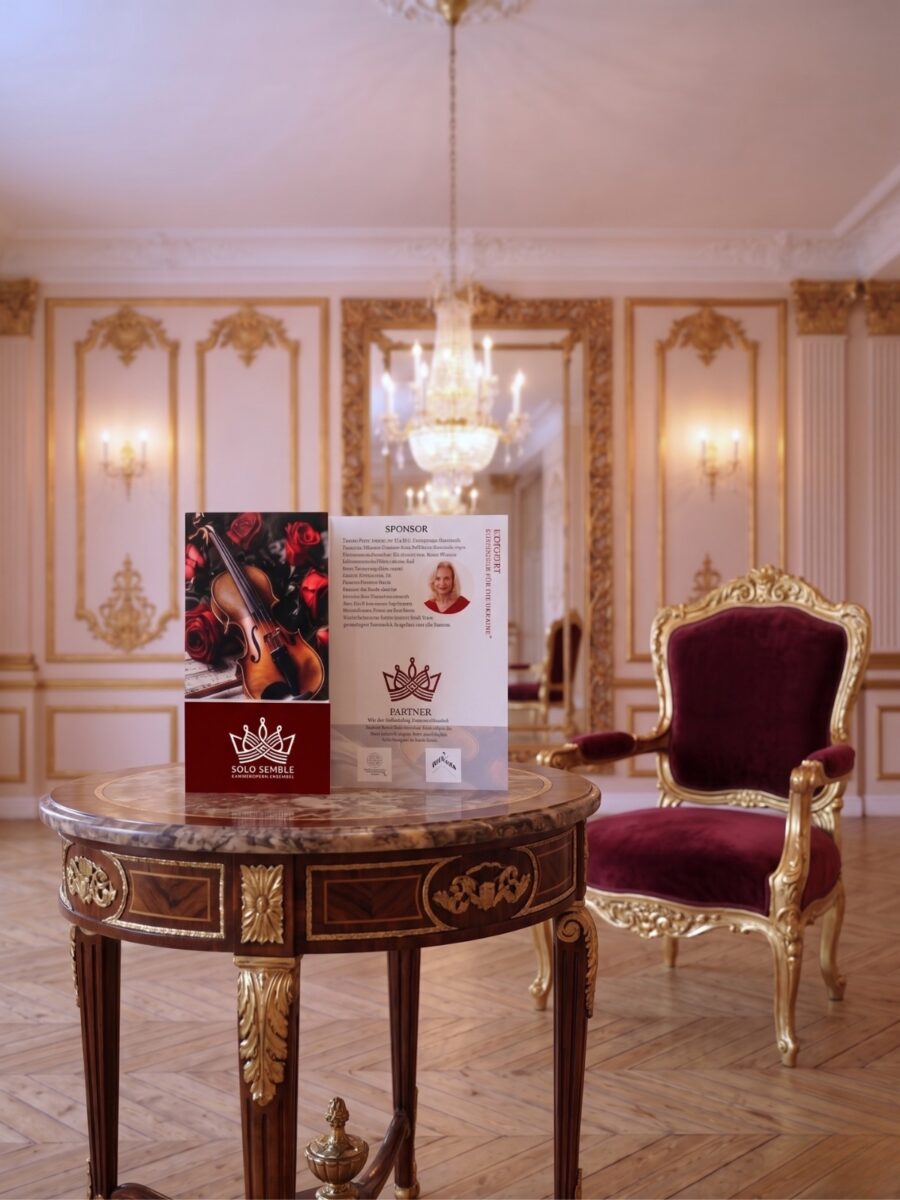
"Romantisches Echo: Vom Monolog zur Oper"
Über das Programm: Eine dramatische Reise durch die emotionalen Kontraste des XIX. und XX. Jahrhunderts. Der erste Teil des Programms ist ganz der tiefen Innenwelt der ukrainischen Musik gewidmet – von der zarten Nostalgie des edlen Kunstliedes bis hin zur Moderne und ausdrucksstarken folkloristischen Motiven. Der zweite Teil, verbunden durch eine feinsinnige instrumentale Brücke von Felix Blumenfeld, entführt das Publikum in den Glanz, die Leidenschaft und den akademischen Pracht der großen europäischen Oper und Operette.
Teil I: Ukrainische Romantik, Moderne und folkloristische Quellen
Myroslaw Skoryk — „Melodie“ · 2. Mychajlo Zherbin — „Meine Seele schwebt“ · 3. Hryhorij Alchevskyi — „Warum fällt es mir schwer“ · 4. Felix Blumenfeld — Streichquartett in F-Dur, op. 26: Presto · 5. Mykola Lysenko — Ostaps Arie aus der Oper „Taras Bulba“ · 6. Semen Hulak-Artemowskyj — Oksanas Romanze aus der Oper „Der Saporosche am Donauufer“ · 7. Myroslaw Skoryk — „Hutsul-Tanz“ · 8. Anatolij Kos-Anatolskyj — „Oh, ich werde zum Rand des Berges gehen“ · 9. Ukrainisches Volkslied (Arr. D. Zador) — „Ich drehe einen schwarzen Schnurrbart“ · 10. Ukrainisches Volkslied (Arr. V. Doskalow) — „Auf der Straße spielt die Geige“
Pause (15 Minuten)
Teil II: Europäische Opern- und Operettengala
11. Felix Blumenfeld — Streichquartett in F-Dur, op. 26: Allegro 12. Franz Lehár — Schlusswalzer „Lippen schweigen“ aus der Operette „Die lustige Witwe“ 13. Georges Bizet — Entr'acte aus der Oper „Carmen“ 14. Georges Bizet — Toreador-Lied „Votre toast, je peux vous le rendre“ aus der Oper „Carmen“ 15. Franz Lehár — Arie der Giuditta aus der Operette „Giuditta“ 16. Johannes Brahms — „Ungarischer Tanz Nr. 5“
Dauer: 90 Minuten (mit Pause)
Besetzung: Concert (Vollbesetzung von Solo Semble, bis zu 12 Stimmen und Instrumente)
"Klassik im Dialog: Der europäische Kontext"
Über das Programm: Eine elegante Reflexion der Aufklärung, in der die rationale Harmonie der westeuropäischen Klassik auf die tiefe Mystik und lineare Logik der ukrainischen Tradition trifft. Das Programm zeigt die gemeinsamen Wurzeln von Komponisten, die im XVIII. Jahrhundert zeitgleich an den Schnittstellen der besten italienischen und deutschen akademischen Schulen die Architektur der europäischen Musik prägten.
Repertoire:
Wolfgang Amadeus Mozart — Ausgewählte Opernarien, Duette und Kammerwerke
Maksym Beresowskyj — Weltliche Arien, Fragmente aus der Oper „Demofonte“
Dmytro Bortnjanskyj — Cherubim-Hymnen und Instrumentalwerke in hauseigener Kammerbesetzung
Dauer: 75 Minuten (ohne Pause)
Besetzung: Chamber (bis zu 6 Musiker) / Concert (bis zu 12 Musiker)
Discover
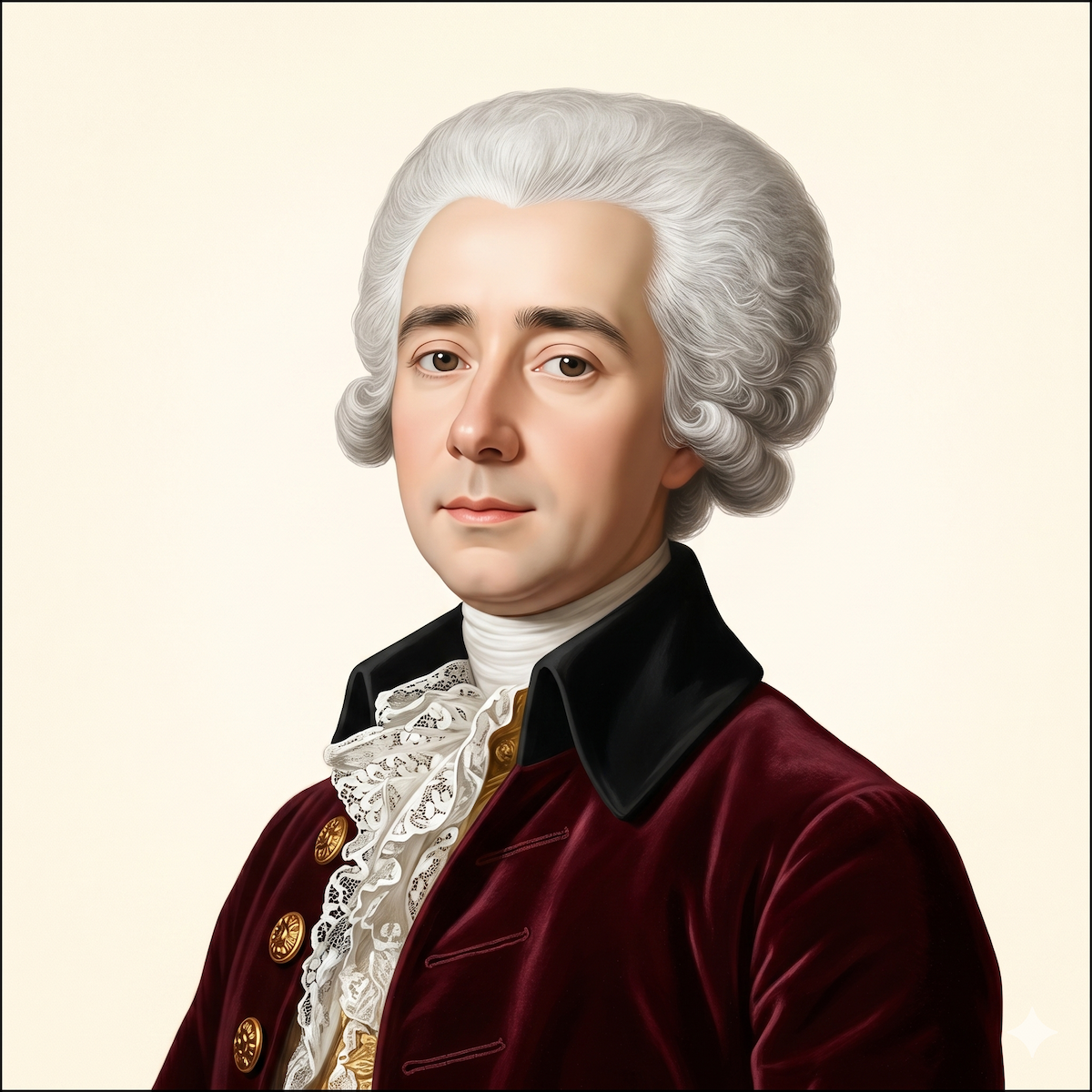
Period Classicism
He studied in Italy at the same time as Mozart under the legendary Padre Martini. He passed the exam to become a member of the Philharmonic Academy of Bologna with the highest possible score and immortalized his name on the Academy’s marble plaque alongside other prominent Europeans.
The surviving works of Maksym Berezovskyi span monumental sacred choral concertos, profound liturgical cycles, and pioneering secular compositions. Among his most significant masterpieces are the opera Demofonte—premiered in Livorno, Italy, and considered one of the very first Ukrainian operas—the virtuosic Violin Sonata in C Major, and the world-renowned choral concerto Do Not Forsake Me in My Old Age. His liturgical works encompass a complete manuscript liturgy and numerous four-part choral concertos. Through their polyphonic mastery and deep emotional expressive power, these works established the golden age of Ukrainian Baroque and Classical music and continue to shape it to this day.
Due to his tragically short life and a targeted imperial policy of assimilation toward cultural elites, his legacy was declared 'Russian' in encyclopedias worldwide for decades, while his unique manuscripts of secular works remained blocked in archives for a long time.
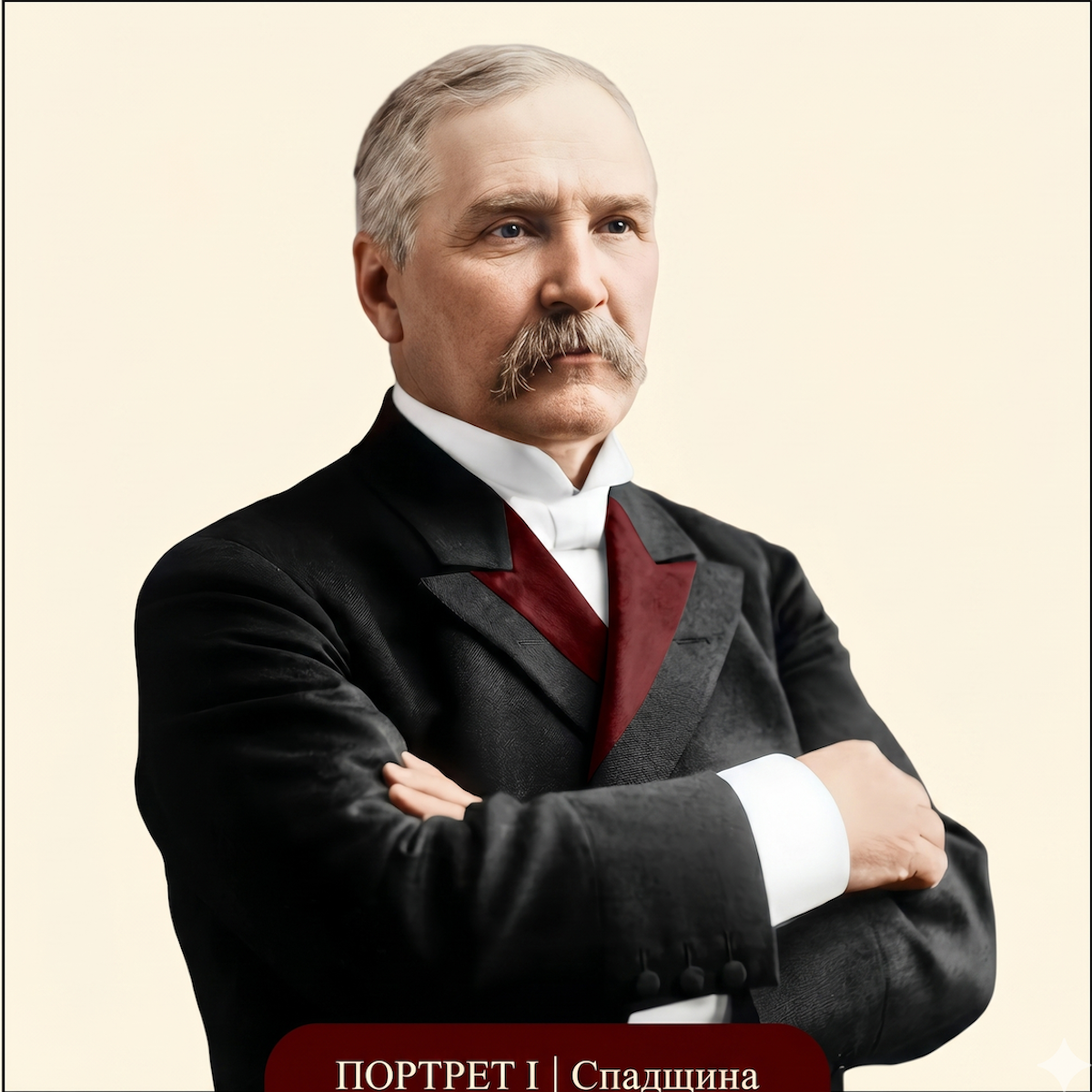
Period Romanticism
A brilliant graduate of the Leipzig Conservatory. He defended the European future of his culture so uncompromisingly that he rejected a prestigious production of his major opera Taras Bulba at the Imperial Theater in Saint Petersburg, because the condition was to translate the libretto into Russian. He consciously chose to forgo worldwide fame in order to preserve the authenticity of the original.
Mykola Lysenko left behind a monumental and multifaceted body of work that serves as the unshakable foundation of Ukrainian classical music. His oeuvre includes pioneering national operas such as the monumental historical drama Taras Bulba, the lyrical-comic opera Natalka Poltavka, and the fantastic opera The Drowned Maiden (Utopia), as well as ambitious children's operas. Beyond his major stage works, he composed over a hundred profound art songs and romances set to texts by European and Ukrainian poets, along with significant piano cycles, including rhapsodies and suites, symphonic compositions, and the monumental sacred hymn Prayer for Ukraine, which to this day holds the status of a spiritual national treasure.
Strict censorship acts by the Russian Empire (most notably the Ems Ukaz) officially banned the printing and performance of vocal works in the Ukrainian language. This artificially isolated his opera scores from integration into European theaters at the very height of his career.
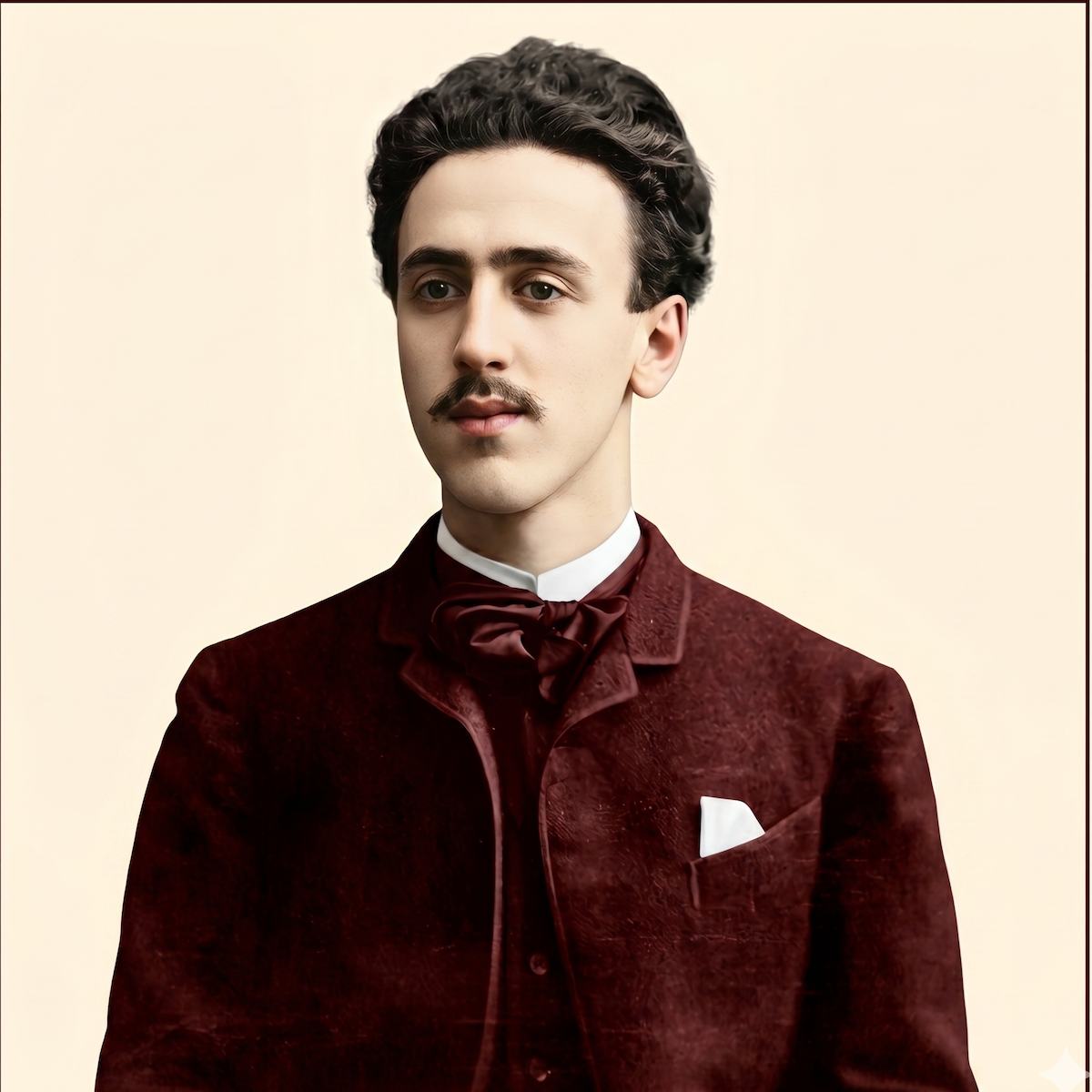
Period Late Romanticism / Modernism
An outstanding pianist and conductor, born in the Ukrainian region of Kherson, who became the most important mentor and teacher of the legendary Vladimir Horowitz. His own compositions are a benchmark for a refined, virtuosic European style.
As an outstanding representative of late Romanticism, Felix Blumenfeld created refined and technically demanding works of international caliber. His central compositions include the monumental Symphony in C minor, Op. 39, titled Am Urquell, the masterful String Quartet in F major, Op. 26, and a wealth of brilliant piano works that stand in the European virtuoso tradition. He gained worldwide fame particularly for his highly artistic Étude for the Left Hand Alone in A-flat major, Op. 36. His oeuvre also encompasses over fifty artistic romances and lyric songs, which captivate with their harmonic boldness and orchestral richness of the piano writing, forming an aesthetic bridge to the European modernism of the early 20th century.
As he found himself at the epicenter of the geopolitical and geographical upheaval of the early 20th century, his identity was assimilated by Soviet musicology, while his own compositional heritage remained for a long time in the shadow of the phenomenal fame of his world-renowned students.
Period Classicism
He studied in Italy at the same time as Mozart under the legendary Padre Martini. He passed the exam to become a member of the Philharmonic Academy of Bologna with the highest possible score and immortalized his name on the Academy’s marble plaque alongside other prominent Europeans.
The surviving works of Maksym Berezovskyi span monumental sacred choral concertos, profound liturgical cycles, and pioneering secular compositions. Among his most significant masterpieces are the opera Demofonte—premiered in Livorno, Italy, and considered one of the very first Ukrainian operas—the virtuosic Violin Sonata in C Major, and the world-renowned choral concerto Do Not Forsake Me in My Old Age. His liturgical works encompass a complete manuscript liturgy and numerous four-part choral concertos. Through their polyphonic mastery and deep emotional expressive power, these works established the golden age of Ukrainian Baroque and Classical music and continue to shape it to this day.
Due to his tragically short life and a targeted imperial policy of assimilation toward cultural elites, his legacy was declared 'Russian' in encyclopedias worldwide for decades, while his unique manuscripts of secular works remained blocked in archives for a long time.
Period Romanticism
A brilliant graduate of the Leipzig Conservatory. He defended the European future of his culture so uncompromisingly that he rejected a prestigious production of his major opera Taras Bulba at the Imperial Theater in Saint Petersburg, because the condition was to translate the libretto into Russian. He consciously chose to forgo worldwide fame in order to preserve the authenticity of the original.
Mykola Lysenko left behind a monumental and multifaceted body of work that serves as the unshakable foundation of Ukrainian classical music. His oeuvre includes pioneering national operas such as the monumental historical drama Taras Bulba, the lyrical-comic opera Natalka Poltavka, and the fantastic opera The Drowned Maiden (Utopia), as well as ambitious children's operas. Beyond his major stage works, he composed over a hundred profound art songs and romances set to texts by European and Ukrainian poets, along with significant piano cycles, including rhapsodies and suites, symphonic compositions, and the monumental sacred hymn Prayer for Ukraine, which to this day holds the status of a spiritual national treasure.
Strict censorship acts by the Russian Empire (most notably the Ems Ukaz) officially banned the printing and performance of vocal works in the Ukrainian language. This artificially isolated his opera scores from integration into European theaters at the very height of his career.
Period Late Romanticism / Modernism
An outstanding pianist and conductor, born in the Ukrainian region of Kherson, who became the most important mentor and teacher of the legendary Vladimir Horowitz. His own compositions are a benchmark for a refined, virtuosic European style.
As an outstanding representative of late Romanticism, Felix Blumenfeld created refined and technically demanding works of international caliber. His central compositions include the monumental Symphony in C minor, Op. 39, titled Am Urquell, the masterful String Quartet in F major, Op. 26, and a wealth of brilliant piano works that stand in the European virtuoso tradition. He gained worldwide fame particularly for his highly artistic Étude for the Left Hand Alone in A-flat major, Op. 36. His oeuvre also encompasses over fifty artistic romances and lyric songs, which captivate with their harmonic boldness and orchestral richness of the piano writing, forming an aesthetic bridge to the European modernism of the early 20th century.
As he found himself at the epicenter of the geopolitical and geographical upheaval of the early 20th century, his identity was assimilated by Soviet musicology, while his own compositional heritage remained for a long time in the shadow of the phenomenal fame of his world-renowned students.
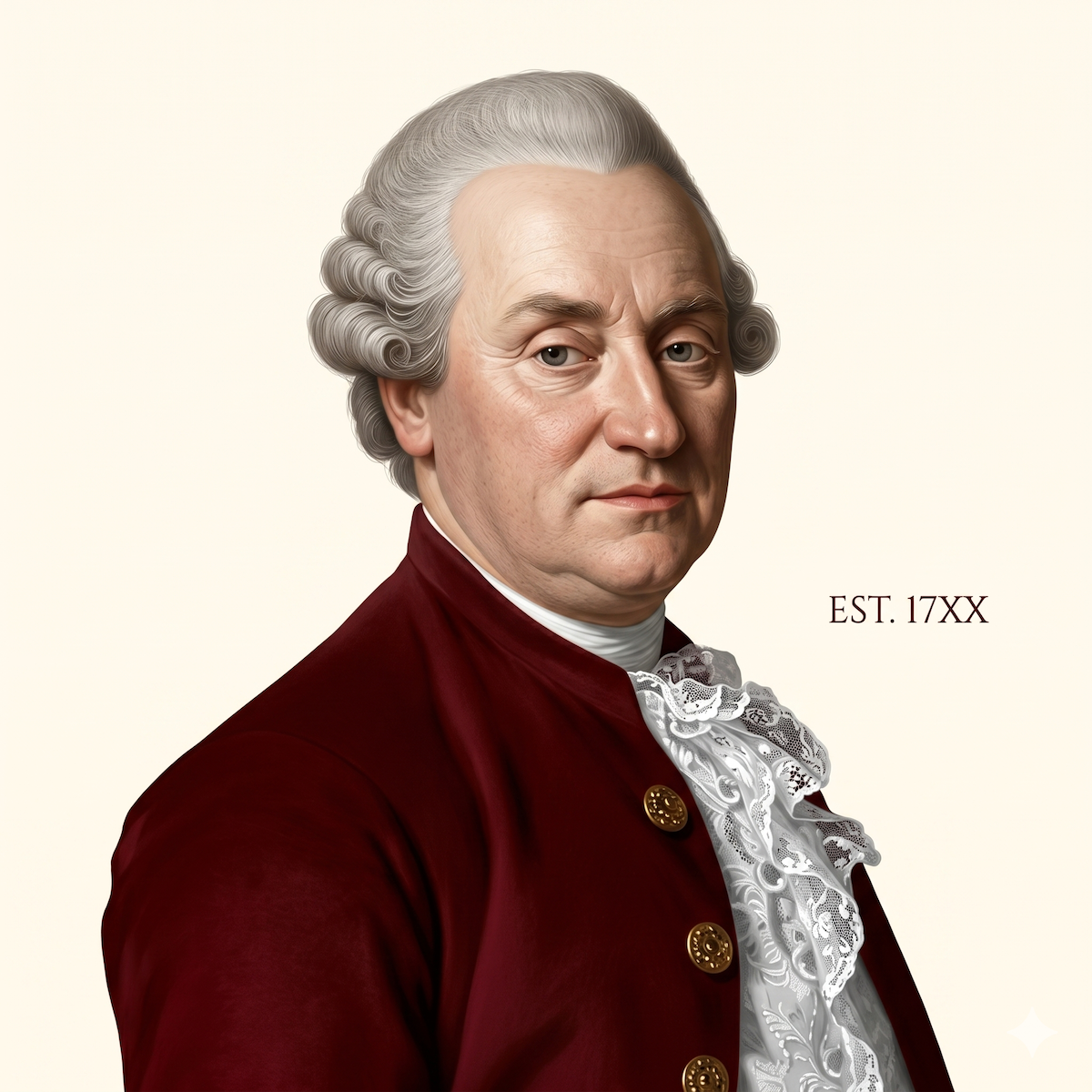
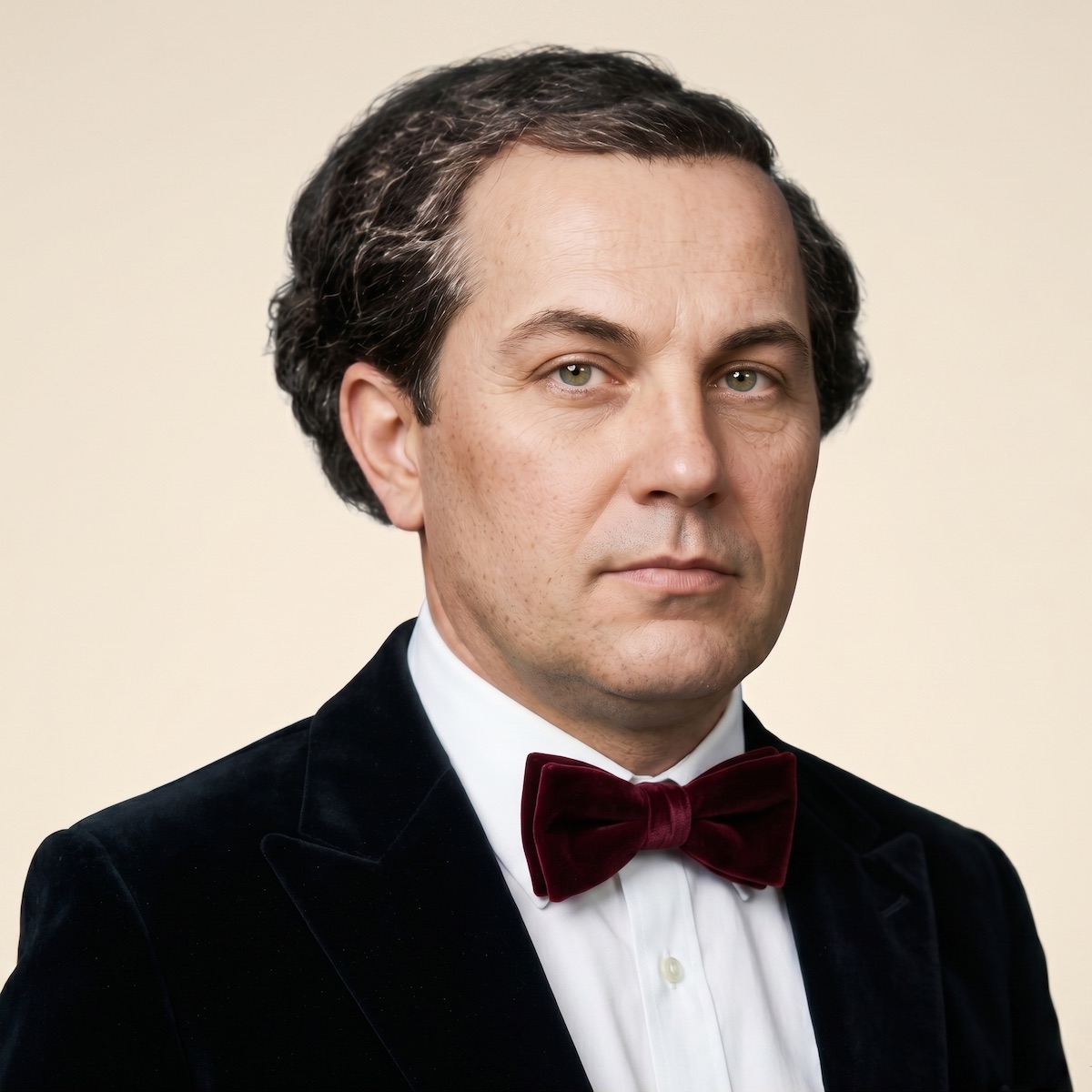
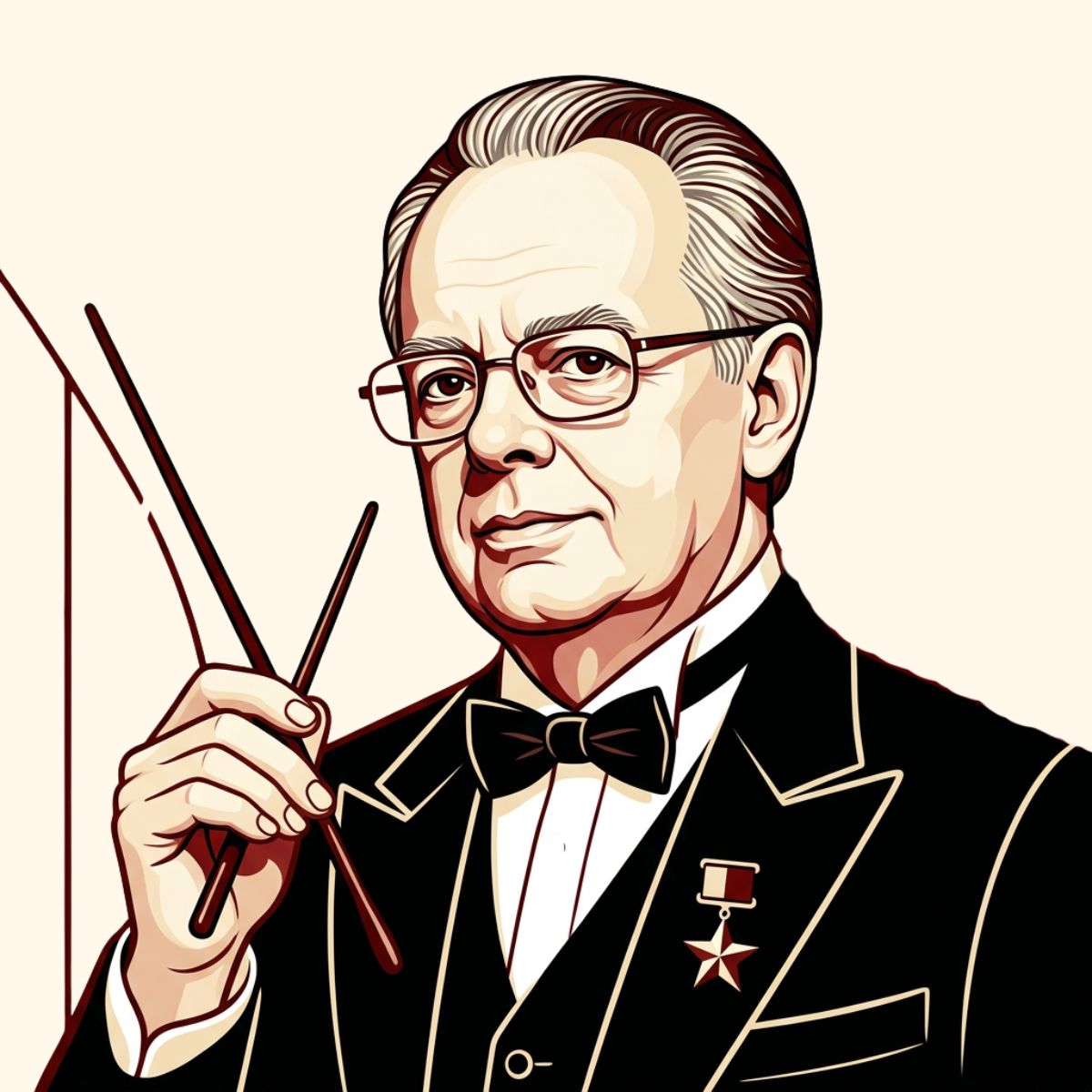
Period Classicism
He spent an entire decade in Italy, where he studied under masters of the Venetian school and composed brilliant operas based on Italian libretti (such as Alcide and Creonte). Later, he molded his court choir into one of the finest in Europe, whose flawless and truly celestial sound would, decades later, leave the French composer Hector Berlioz in deep astonishment.
The compositional legacy of Dmytro Bortnianskyi is a shining example of European classicism and a direct dialogue with the Viennese school. His secular masterpieces include operas premiered in Italy, such as Creonte and Alcide, as well as French comic operas like Le Faucon (The Falcon). However, the absolute heart of his creative output consists of 35 monumental sacred choral concertos (including the world-renowned Let My Prayer Arise). These works revolutionized sacred a cappella music by merging sophisticated Western European polyphony with the profound, archaic spirituality of the Ukrainian vocal tradition into a perfected classical form. This repertoire is complemented by elegant piano sonatas and chamber music of the highest quality.
As with many Ukrainian geniuses of the 18th century (he was born in the Ukrainian town of Hlukhiv), his identity was completely appropriated by the Russian Empire. His works were systematically declared as 'Russian classics' in Western encyclopedias for decades, which made his true Ukrainian-European heritage invisible on concert posters around the world.
Period Romanticism
A first-class opera singer (baritone) who conquered the stage in Florence and performed at Europe's leading theaters. Grounded in the Italian bel canto technique, he wrote the first major Ukrainian opera, in which he filigreed Western compositional architecture with national dramaturgy.
The musical legacy of Semen Hulak-Artemovskyi is led by his immortal masterpiece, the comic-historical opera A Zaporozhian Cossack beyond the Danube (Zaporozhets za Dunayem). This historically significant work was the first to weave together the vocal tradition of Italian bel canto with vivid Ukrainian dramaturgy and melody. Furthermore, he composed ambitious sacred works, profound solo songs, and romances such as the dramatic ballad The Dnieper Rages and Moans, as well as the divertissement Ukrainian Wedding, for which he acted as librettist, composer, and lead performer, thereby bridging the gap between European stage tradition and national musical theater.
The subsequent Soviet and imperial paradigms deliberately reduced the status of his works to the level of an 'ethnic daily comedy,' thereby leveling the high academic complexity of his scores and vocal parts for the global audience.
Period Modernismus / Neoklassizismus
As the creator of the famous Melody, which became the unofficial spiritual anthem of modern Ukraine, Skoryk was simultaneously a radical modernist who delicately integrated elements of early jazz and archaic Carpathian folklore into a strict neoclassical form.
The multifaceted body of work by Myroslav Skoryk spans from intimate chamber music to monumental stage and orchestral works of the 20th and 21st centuries. In addition to the globally revered Melody in A minor, which is considered the musical epicenter of the Ukrainian soul, he composed the philosophical grand opera Moses based on the poem by Ivan Franko, the ballet The Return of the Butterfly, several innovative concertos for violin, cello, and piano, and the colorful orchestral work Hutsul Triptych. His style-defining scores for cinema, most notably for the legendary film Shadows of Forgotten Ancestors by Sergei Parajanov, earned him worldwide recognition as a visionary modernist.
In his childhood, he was deported to Siberia along with his family by the Soviet regime. The subsequent Soviet isolation and the 'Iron Curtain' systematically restricted the travel of Ukrainian innovative composers to Western European festivals for new music for decades.
Period Classicism
He spent an entire decade in Italy, where he studied under masters of the Venetian school and composed brilliant operas based on Italian libretti (such as Alcide and Creonte). Later, he molded his court choir into one of the finest in Europe, whose flawless and truly celestial sound would, decades later, leave the French composer Hector Berlioz in deep astonishment.
The compositional legacy of Dmytro Bortnianskyi is a shining example of European classicism and a direct dialogue with the Viennese school. His secular masterpieces include operas premiered in Italy, such as Creonte and Alcide, as well as French comic operas like Le Faucon (The Falcon). However, the absolute heart of his creative output consists of 35 monumental sacred choral concertos (including the world-renowned Let My Prayer Arise). These works revolutionized sacred a cappella music by merging sophisticated Western European polyphony with the profound, archaic spirituality of the Ukrainian vocal tradition into a perfected classical form. This repertoire is complemented by elegant piano sonatas and chamber music of the highest quality.
As with many Ukrainian geniuses of the 18th century (he was born in the Ukrainian town of Hlukhiv), his identity was completely appropriated by the Russian Empire. His works were systematically declared as 'Russian classics' in Western encyclopedias for decades, which made his true Ukrainian-European heritage invisible on concert posters around the world.
Period Romanticism
A first-class opera singer (baritone) who conquered the stage in Florence and performed at Europe's leading theaters. Grounded in the Italian bel canto technique, he wrote the first major Ukrainian opera, in which he filigreed Western compositional architecture with national dramaturgy.
The musical legacy of Semen Hulak-Artemovskyi is led by his immortal masterpiece, the comic-historical opera A Zaporozhian Cossack beyond the Danube (Zaporozhets za Dunayem). This historically significant work was the first to weave together the vocal tradition of Italian bel canto with vivid Ukrainian dramaturgy and melody. Furthermore, he composed ambitious sacred works, profound solo songs, and romances such as the dramatic ballad The Dnieper Rages and Moans, as well as the divertissement Ukrainian Wedding, for which he acted as librettist, composer, and lead performer, thereby bridging the gap between European stage tradition and national musical theater.
The subsequent Soviet and imperial paradigms deliberately reduced the status of his works to the level of an 'ethnic daily comedy,' thereby leveling the high academic complexity of his scores and vocal parts for the global audience.
Period Modernismus / Neoklassizismus
As the creator of the famous Melody, which became the unofficial spiritual anthem of modern Ukraine, Skoryk was simultaneously a radical modernist who delicately integrated elements of early jazz and archaic Carpathian folklore into a strict neoclassical form.
The multifaceted body of work by Myroslav Skoryk spans from intimate chamber music to monumental stage and orchestral works of the 20th and 21st centuries. In addition to the globally revered Melody in A minor, which is considered the musical epicenter of the Ukrainian soul, he composed the philosophical grand opera Moses based on the poem by Ivan Franko, the ballet The Return of the Butterfly, several innovative concertos for violin, cello, and piano, and the colorful orchestral work Hutsul Triptych. His style-defining scores for cinema, most notably for the legendary film Shadows of Forgotten Ancestors by Sergei Parajanov, earned him worldwide recognition as a visionary modernist.
In his childhood, he was deported to Siberia along with his family by the Soviet regime. The subsequent Soviet isolation and the 'Iron Curtain' systematically restricted the travel of Ukrainian innovative composers to Western European festivals for new music for decades.
For any space
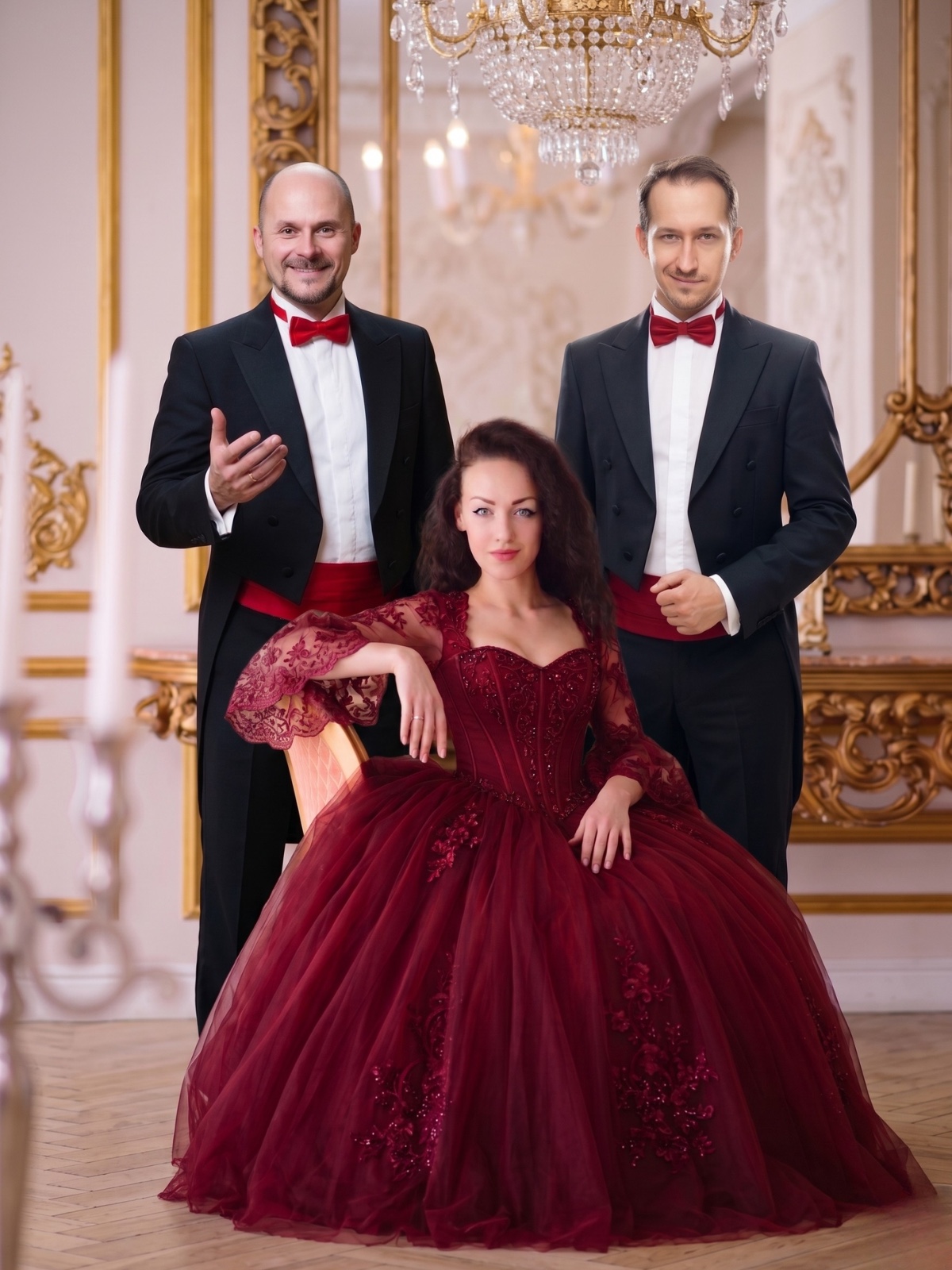
Voice & Piano
For whom
Private salons, openings of major exhibitions, diplomatic receptions, and chamber concerts.
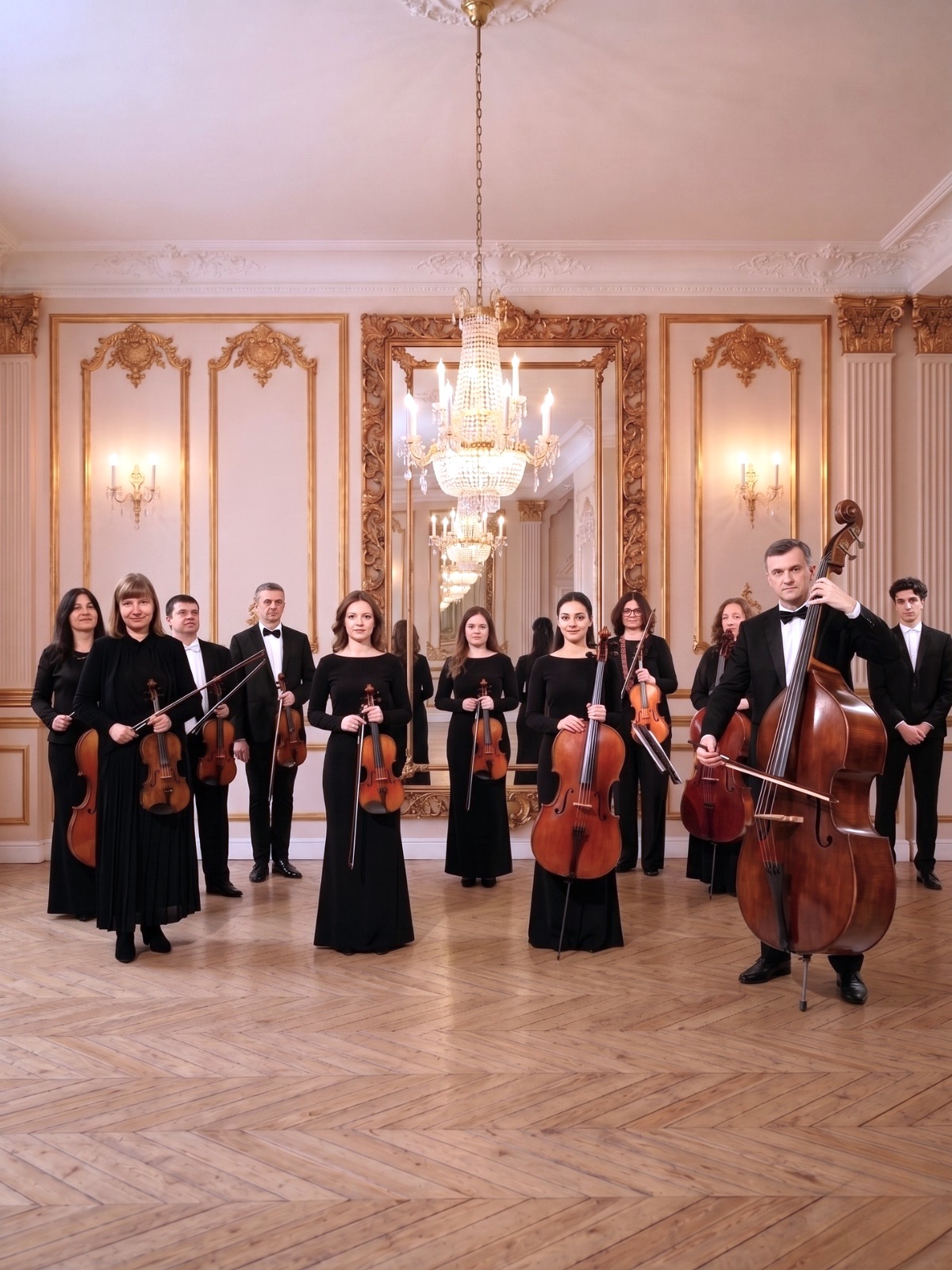
Expanded Ensemble
For whom Philharmonics, large festival stages, opera days, and grand concert programs.
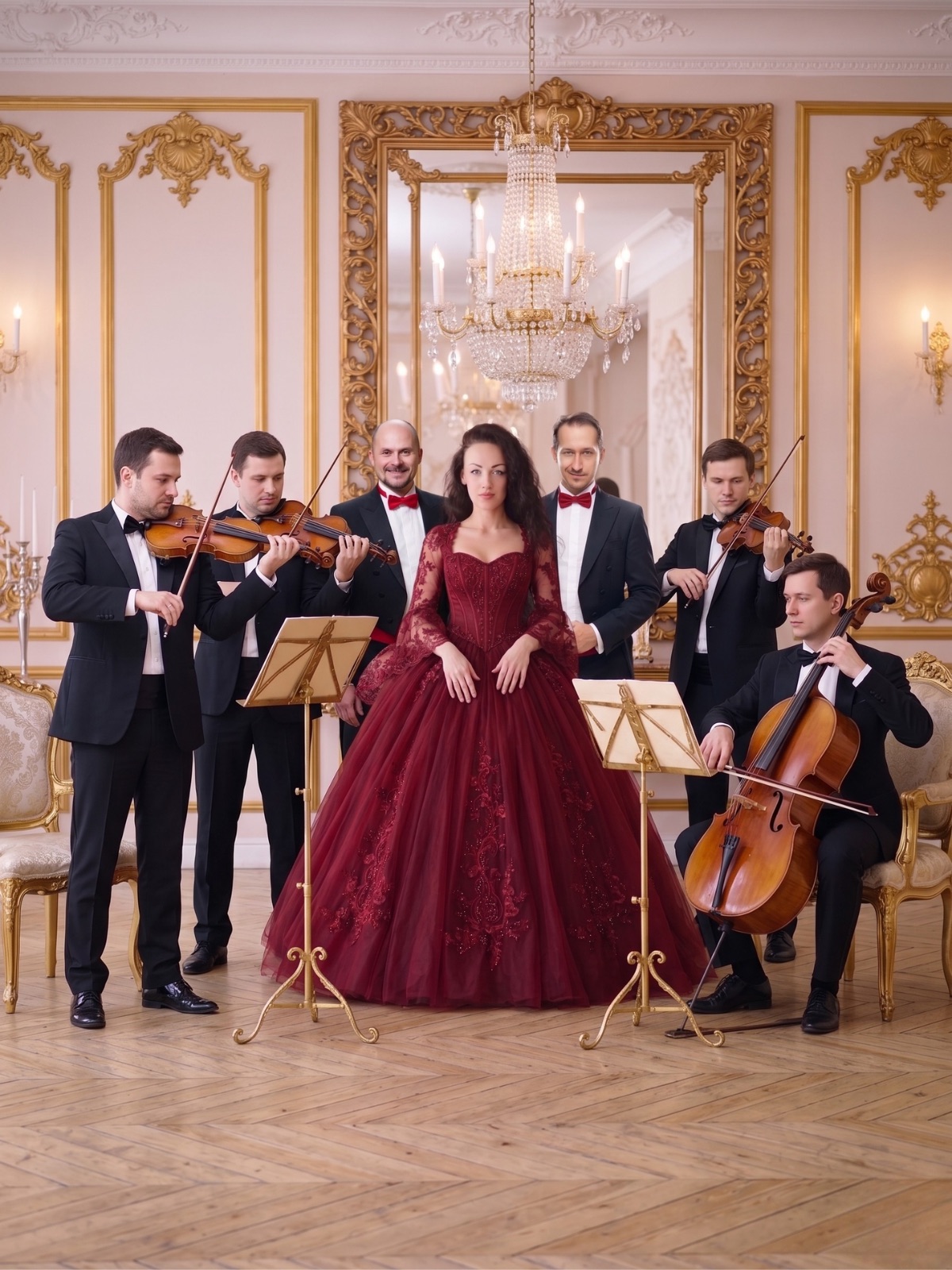
Chamber Ensemble
For whom Specialized chamber music festivals, events for European cultural institutions, and intellectual lecture series.